Yoga Teacher Training on Koh Phangan
Why Srithanu is one of Asia's biggest YTT hubs
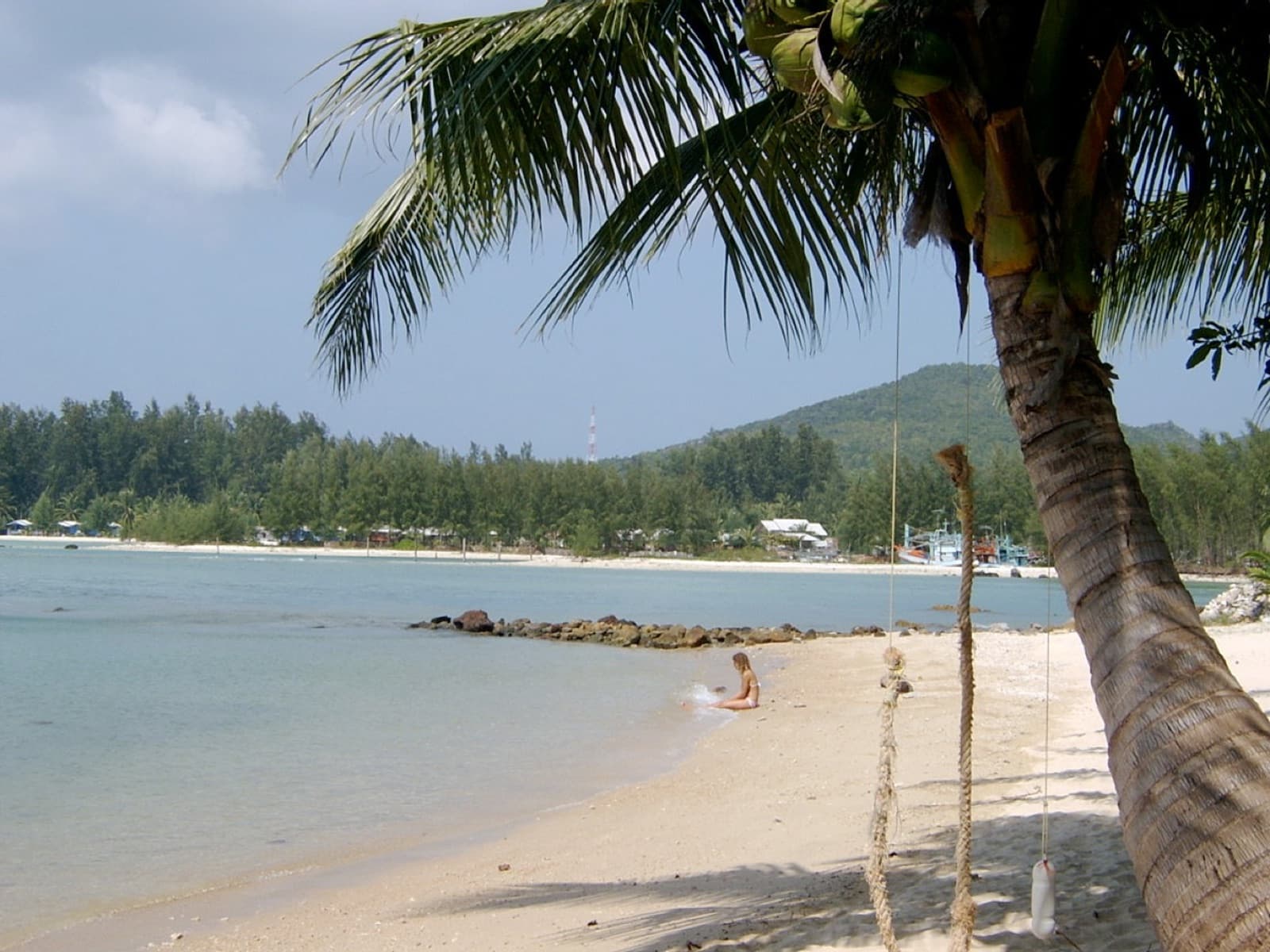
Srithanu, on the island's west coast, is one of Southeast Asia's real yoga hubs — not just a few studios, but a genuine concentration of teacher training schools, retreat centres, vegan cafes, and a resident community built around the practice. If a regular drop-in yoga class isn't enough and you're considering an actual teacher training, here's the honest picture.
What a 200hr YTT actually involves
The standard entry-level certification, recognised worldwide, usually runs 3–4 weeks of full days — asana practice, anatomy, philosophy, teaching methodology, and practice teaching. It's intense; most people describe it as more emotionally and physically demanding than expected, not a relaxing holiday with some yoga on the side.
What schools are actually here
Srithanu has genuine variety in teaching style, not just one dominant school:
- Ashtanga-focused — schools built around the traditional Ashtanga lineage, often with instructors trained directly under well-known teachers in India
- Tantra and non-dual traditions — a smaller number of schools teach from a more philosophical, Shaiva Tantra-influenced approach alongside physical practice
- Modern, broader-style schools — combining Vinyasa, Hatha, and contemporary teaching methods, often the most accessible entry point if you're not committed to one specific lineage yet
Which style suits you matters more than which school has the flashiest marketing — if possible, try a regular class at a studio's home base before committing to their full training.
What it actually costs
- Tuition only: roughly $1,500–2,000 for a standard 200hr course
- Tuition + shared accommodation: $2,000–3,000, common for schools with an on-site retreat centre
- Extra to budget: food (unless included), course materials if not covered, and your daily living costs for the month — see our cost of living guide for realistic Phangan numbers
Best time of year
Most schools run cohorts year-round, but high season (November–March) books out furthest in advance and coincides with the most pleasant weather for the outdoor practice spaces many schools use. Low season (May–October) is quieter, cheaper, and just as viable — see our weather guide before picking dates.
Beyond the training itself
Srithanu's wellness scene extends past yoga — sound healing, cacao ceremonies, and ecstatic dance events run regularly in the same neighbourhood, and a lot of YTT students end up going to a few during their month here even if that's not why they came. See our ecstatic dance & cacao ceremony guide if that's part of what draws you here too.